| top design | aluminum rail18-28-38 mm top rail |
| size | 80*250 100*250 120*250 match many kinds of window |
| fabric desingn | blackout daylight design |
| MOQ | 10PCS for normally size |
| Packing | carton with pp bag or pet box |
| Sample | One pcs for free |
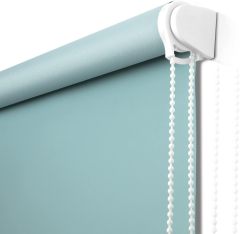
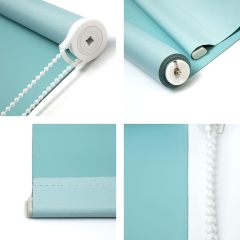
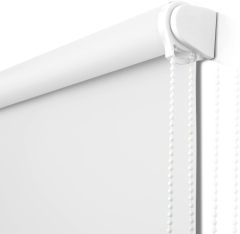
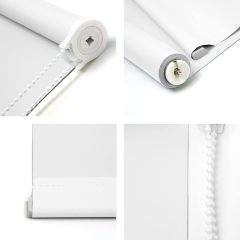
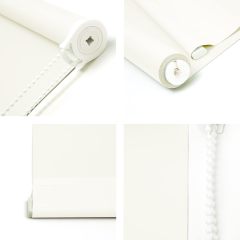
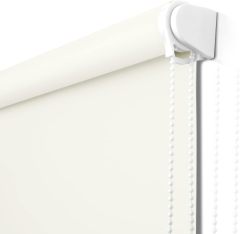
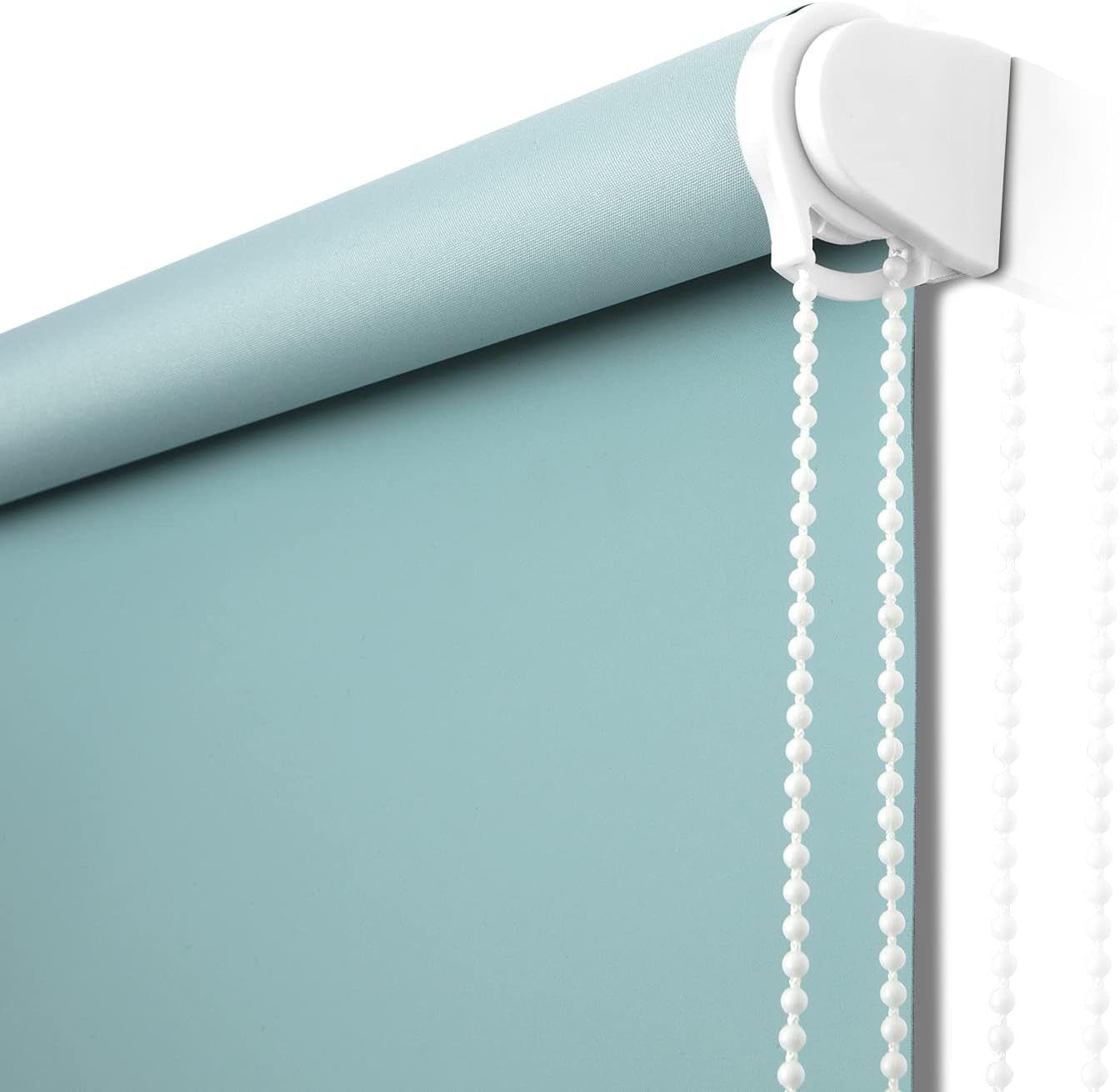
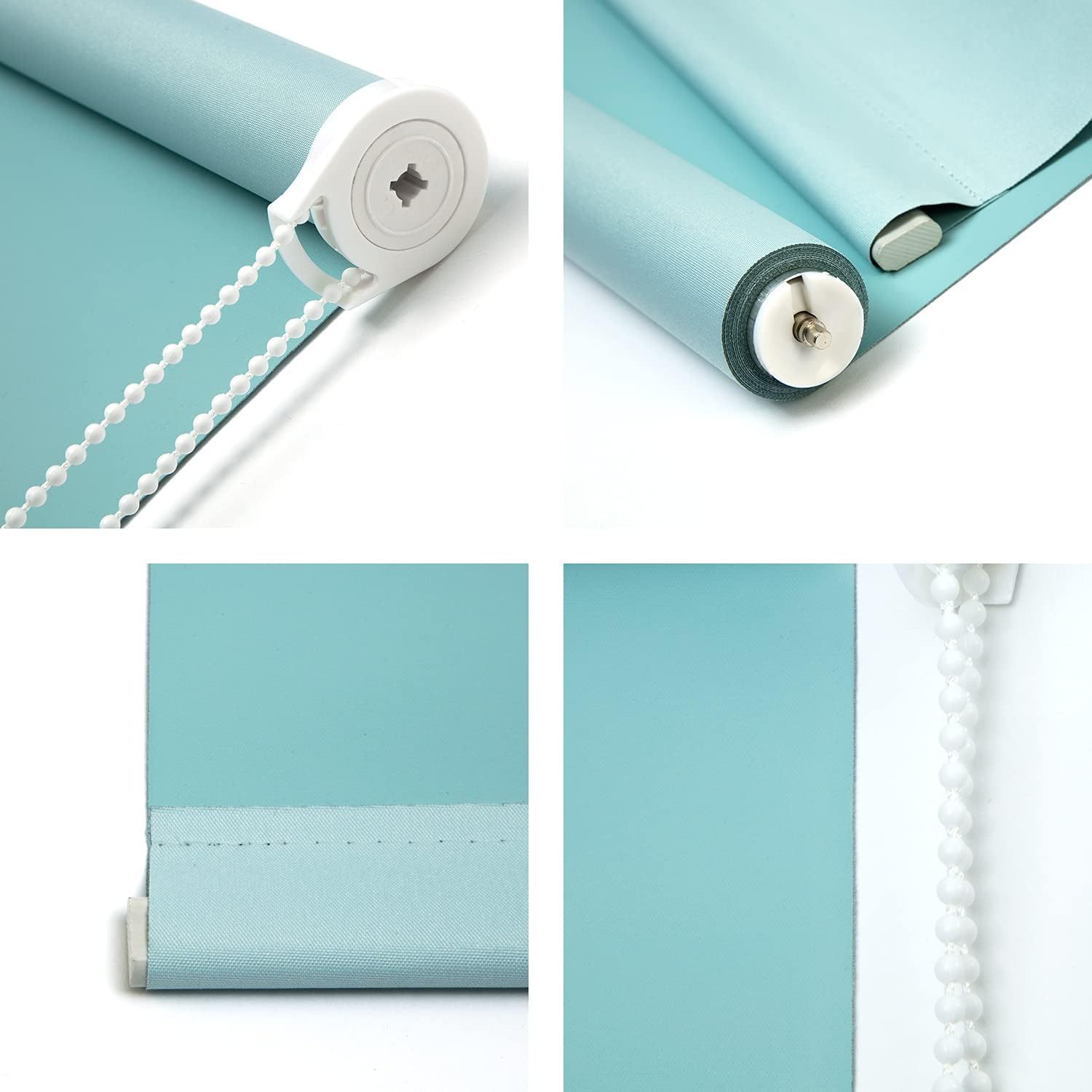
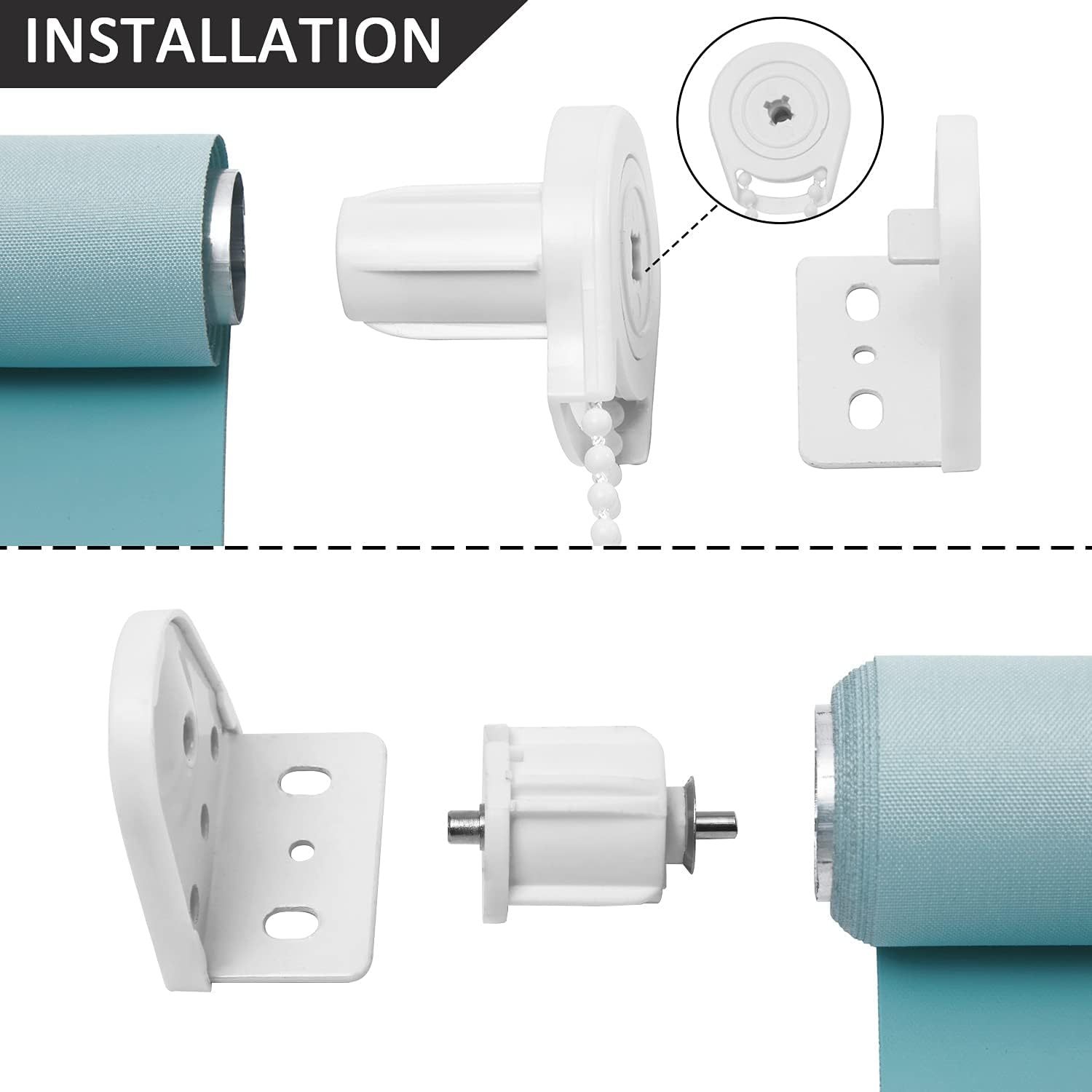
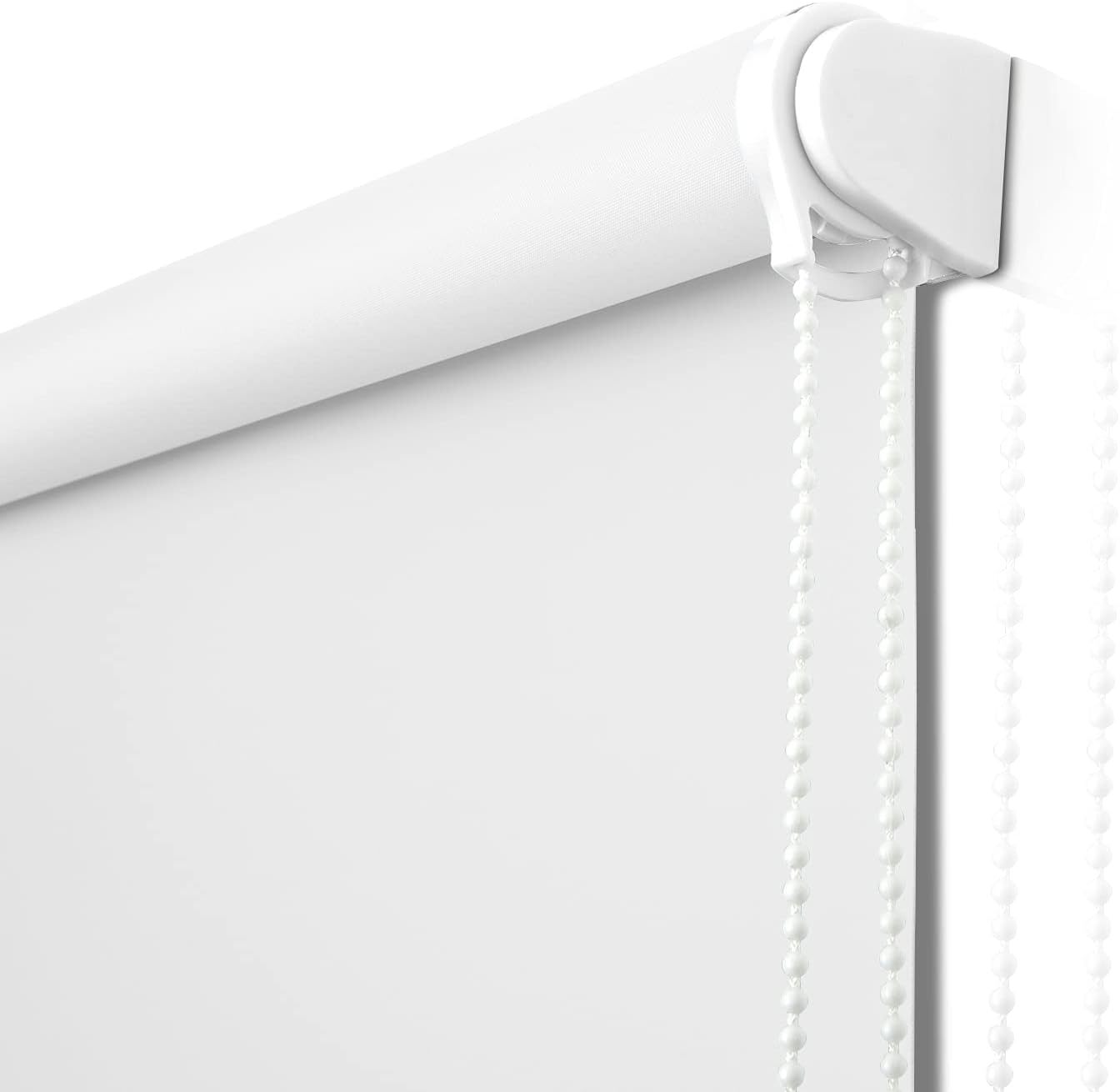
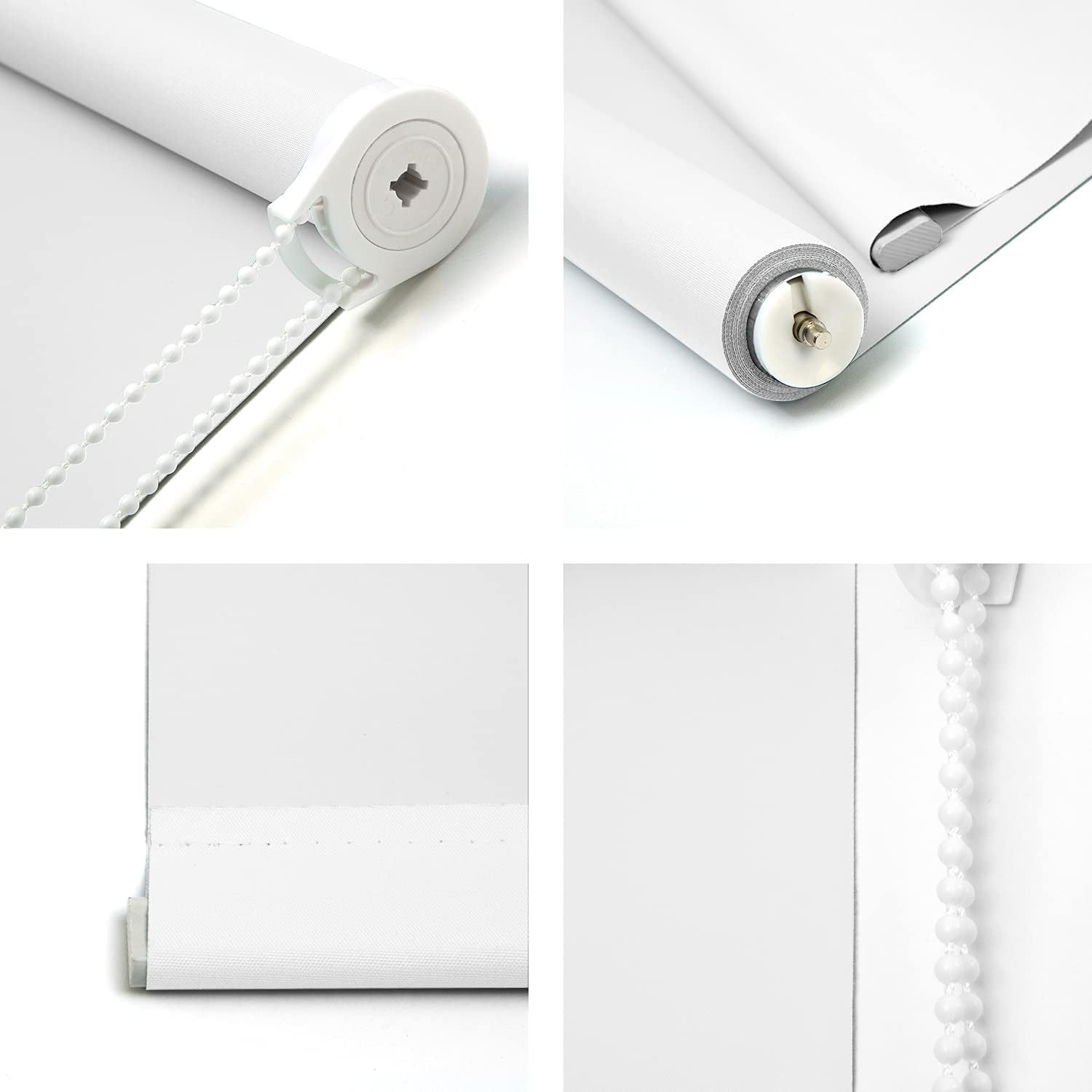
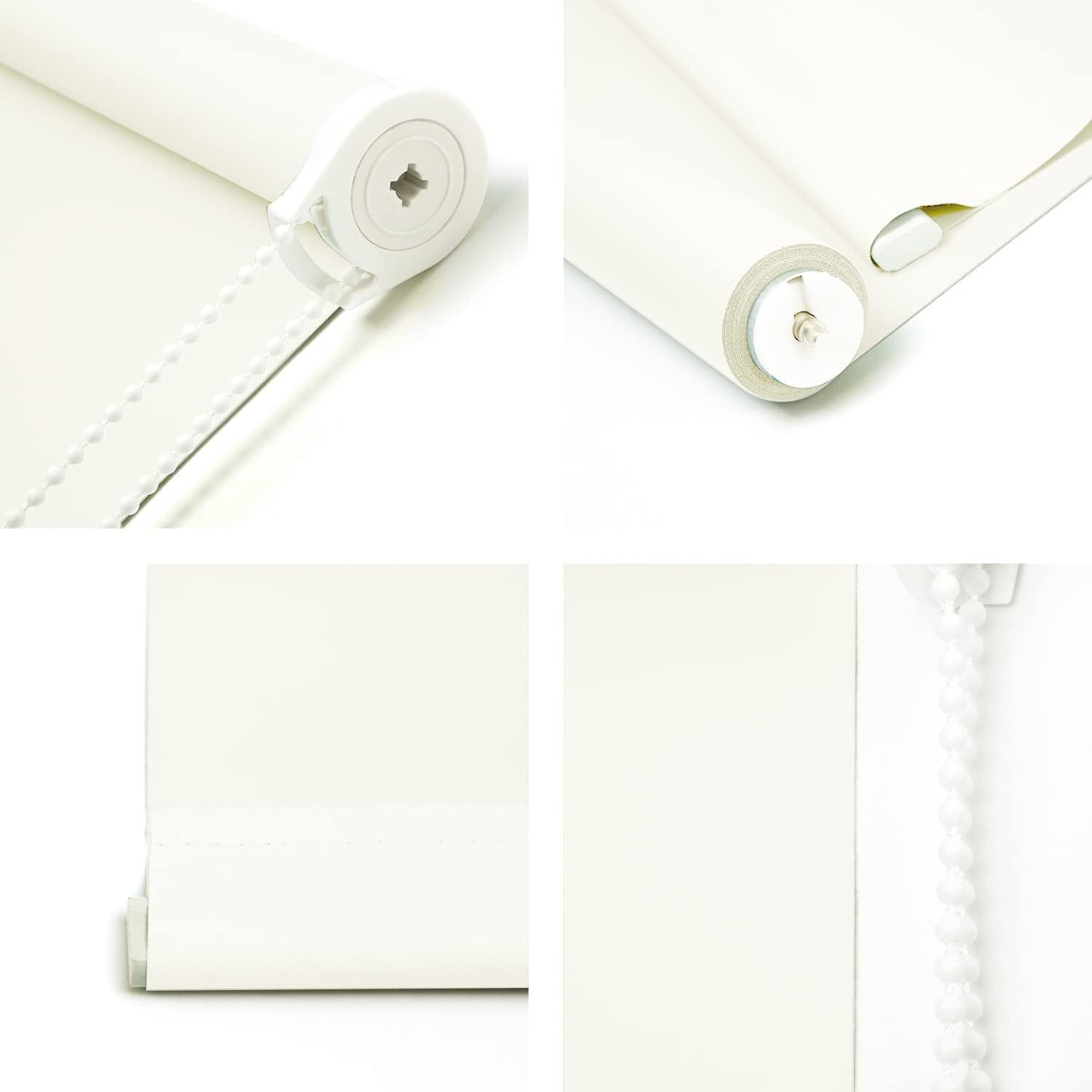
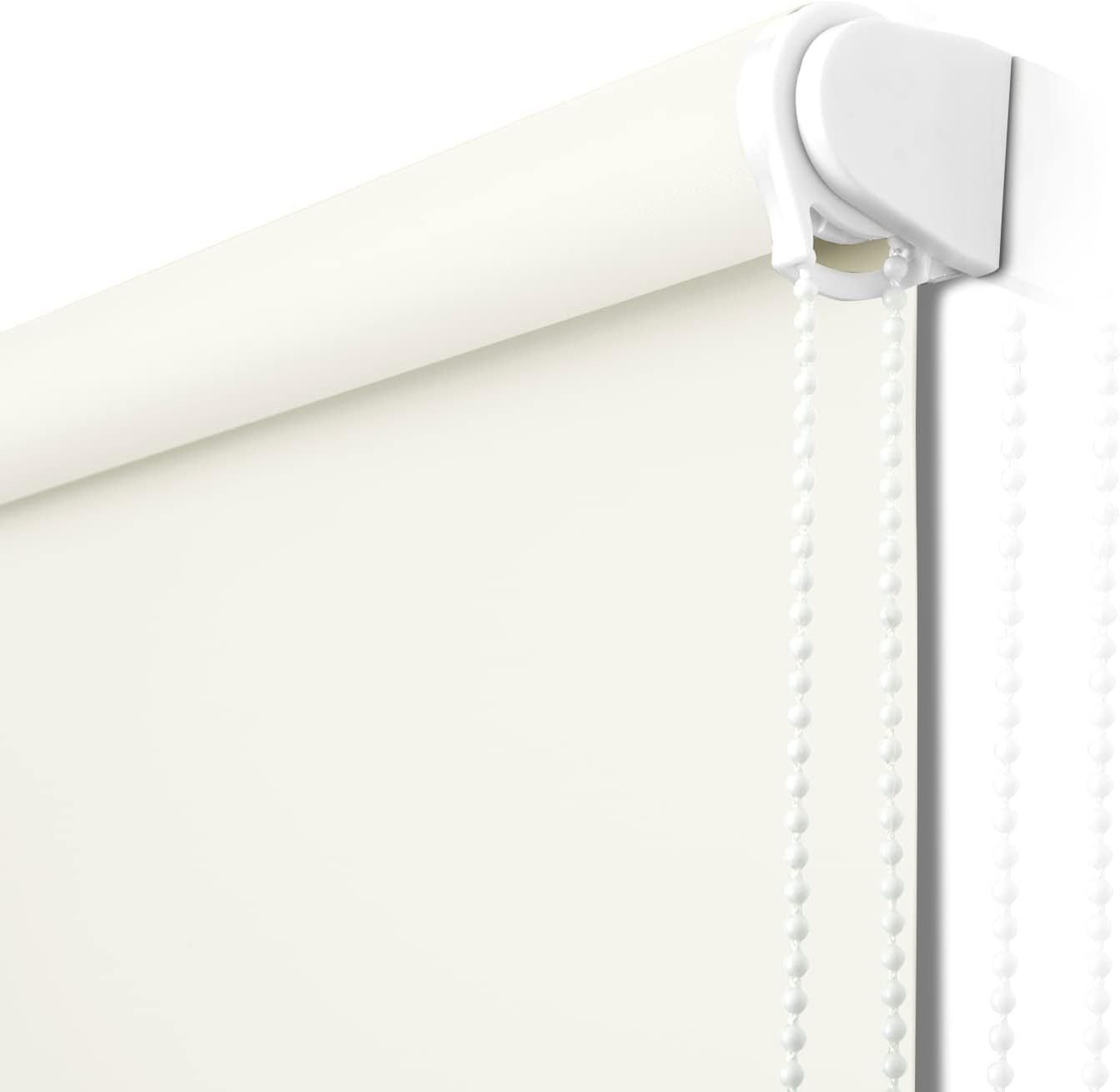
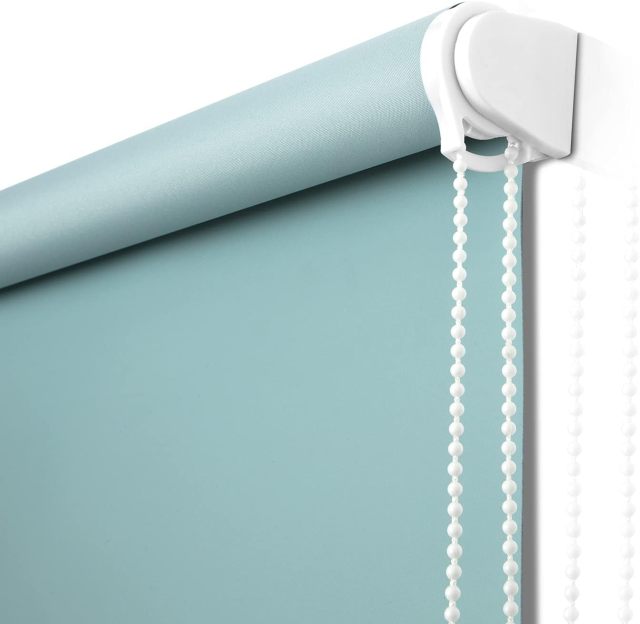
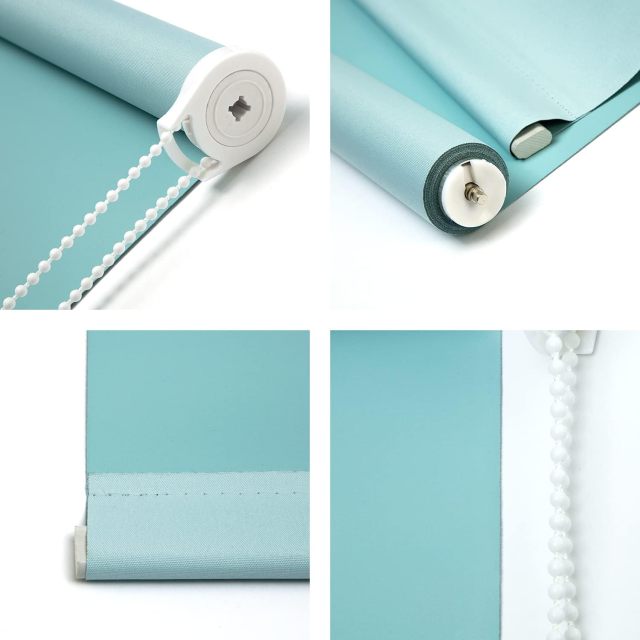
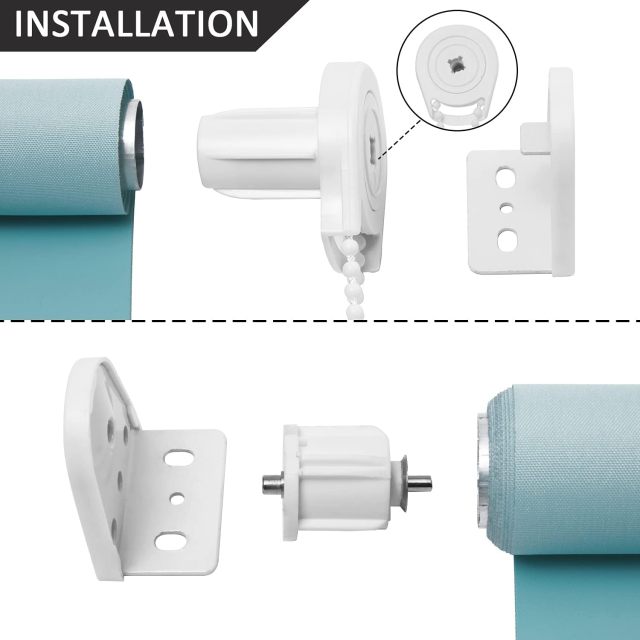
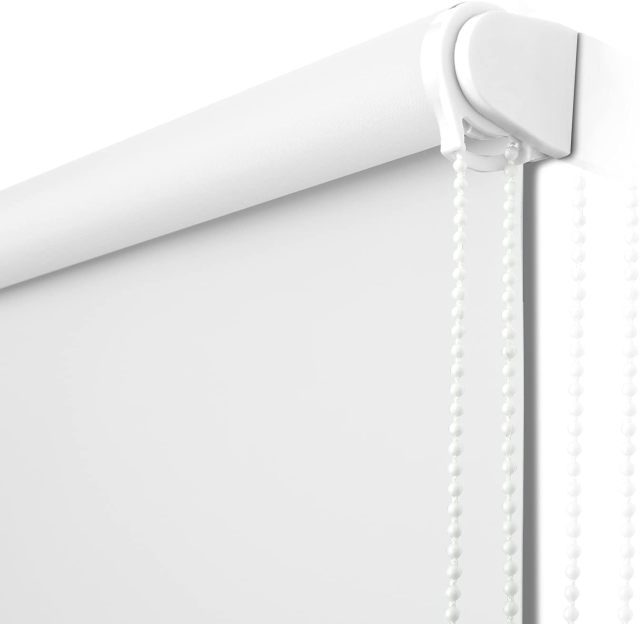
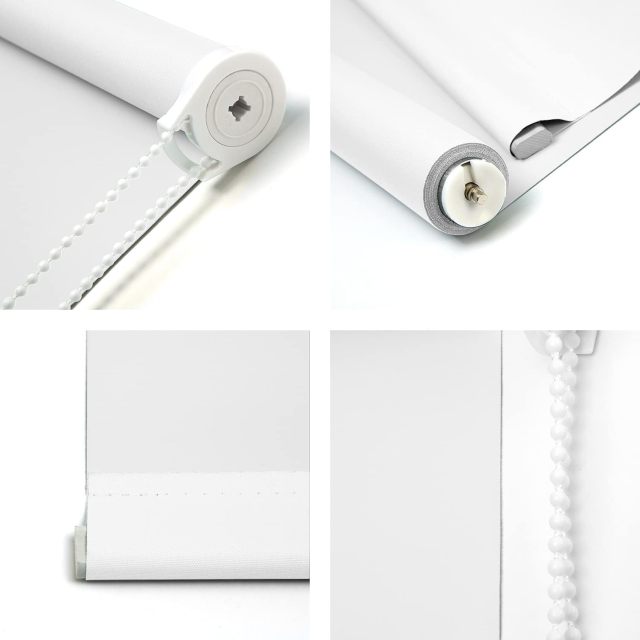
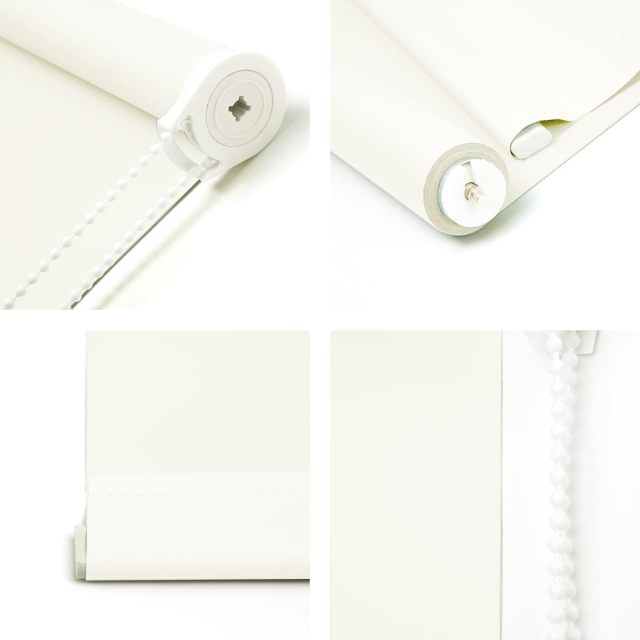
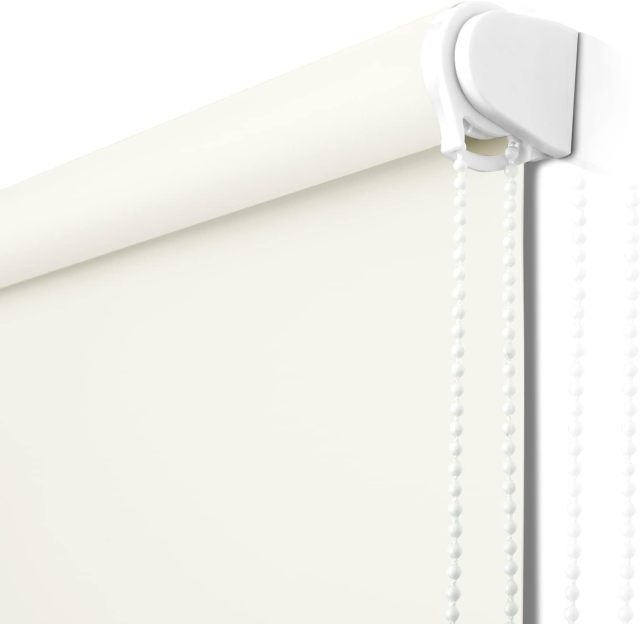
These European-style window roller blinds give a window one clean face of fabric instead of slats or folds. The fabric winds around an aluminium tube under a slim top rail, and the beaded loop chain at the side raises and lowers it. Sewn bottom hems, moulded white end caps and a metal axle pin keep the finished edge straight and the hardware quiet against a white frame.
The model is built for rooms where the blind is part of the scheme rather than an afterthought, so the range covers blackout and daylight fabric designs and the colours stay in the neutral family, with other shades matched to a reference.
As a window blinds supplier working with distributors, project buyers and interior teams, we cut each blind to the size on your list instead of shipping a fixed stock length. That is how the same pattern ends up on a narrow bathroom window and on a wide living-room opening without looking like two different products.
The beaded loop chain is the only control on these window blinds, and the quality of that one part decides how the blind feels after years of use. Ours runs a metal or ABS chain over a moulded sprocket in the end cap, so the beads seat cleanly instead of skipping. Pull the front run down and the fabric rises; pull the back run and it lowers.
The glide is deliberately quiet — no squeak, no jitter as the tube turns. That matters in a bedroom where one person is asleep while the other closes the blind, and in a guest room where someone adjusts it at midnight. Because the chain drives the tube directly, the shade parks at any point in its travel and stays there.
Chain length is set to the drop when the blind is cut, so it finishes at a comfortable height instead of in a coil on the floor. Left or right is fixed at assembly: tell us at the order stage, because it cannot be swapped once the blind is built.
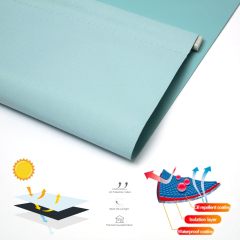
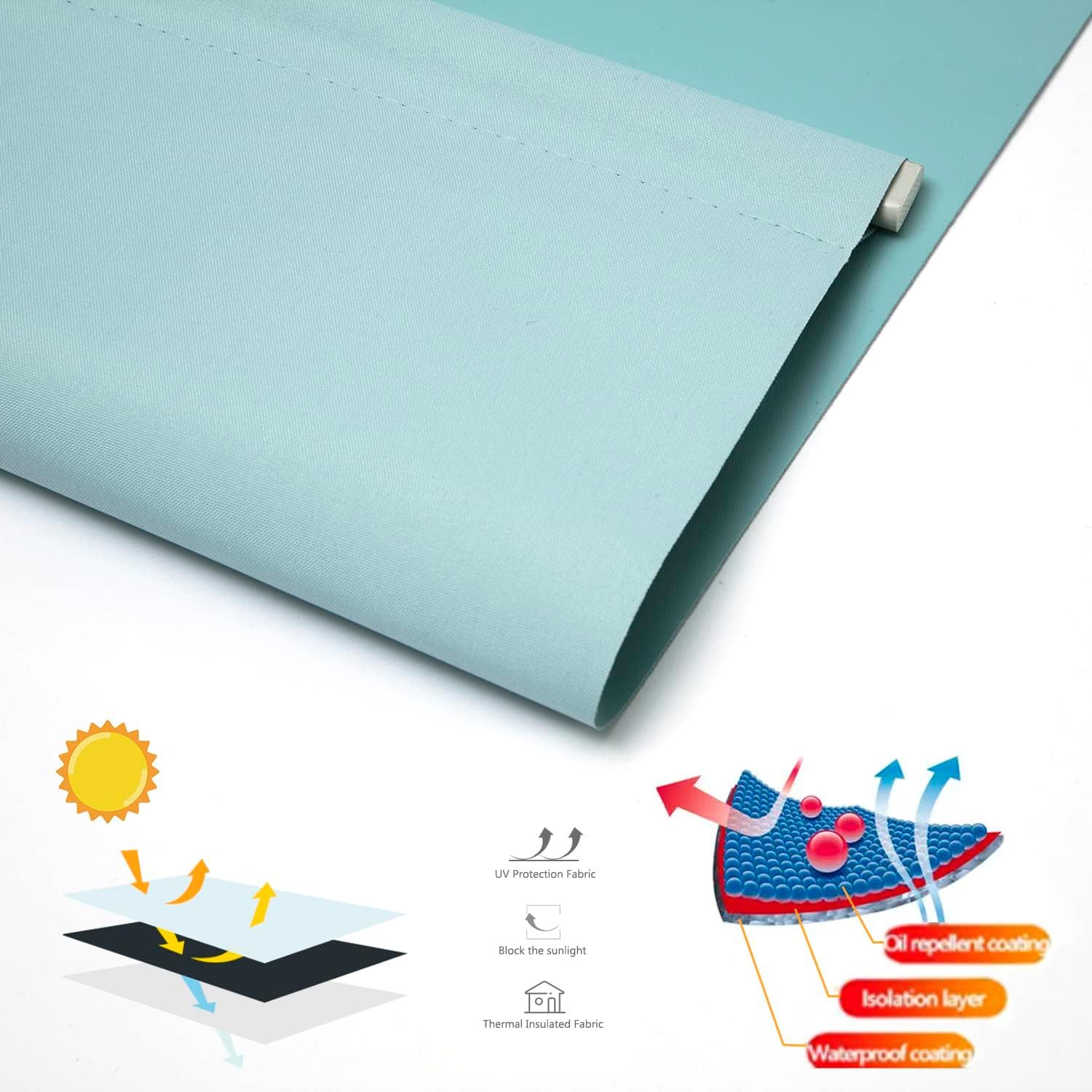
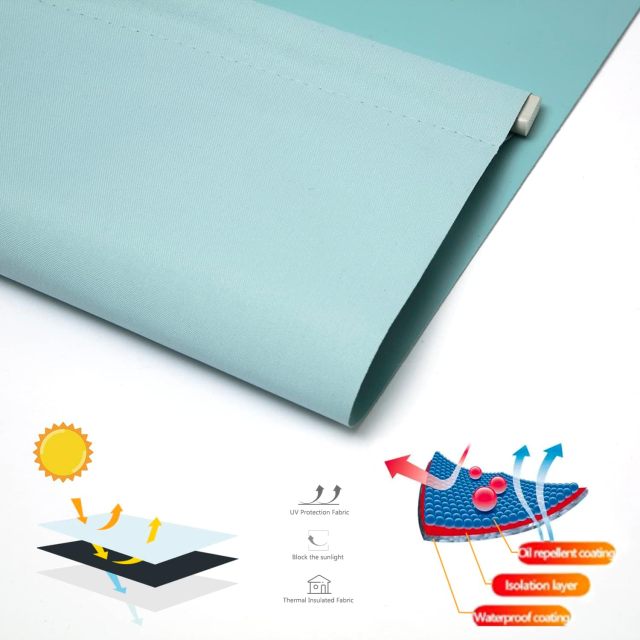
The fabric is chosen for how it behaves after a few summers rather than for how it photographs. It resists fading and wear, and the weave does not trap dust the way a deep pile does, which is why these blackout blinds still look presentable in a room where the sun lands every afternoon. That matters more than any single figure: a blind is only as good as the colour it still has in its third year.
Cleaning takes a minute. Run a vacuum brush or a dry cloth over the fabric while it is down, and wipe marks with a damp cloth. For anything stubborn, a little mild soap, then clean water, then let the blind hang until it is dry before rolling it up — rolling a damp blind is how creases and water marks begin. Abrasive cream cleaners and scouring pads take the surface off the fabric and leave a dull patch that shows in daylight, so keep them away from the window.
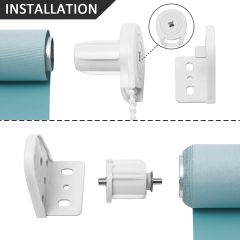
The rest of the build follows the same logic. The tube is aluminium and will not rust, the sewn hem keeps the bottom edge straight after hundreds of pulls, and the metal axle pin and moulded end caps keep the roll running true.
Three standard sizes cover most of the windows this blind is ordered for, quoted as width by drop; the exact measurements are listed in the specifications below. Between them they fit a narrow bathroom window, a standard bedroom window and a wide living-room opening. Anything outside those three is made as custom roller blinds to the sizes you send.
Measure the width of the glass and frame if the blind will sit outside the reveal, or the width of the reveal itself if it will sit inside it; then take the drop from where the top rail will be fixed to the sill. Both figures go on the order with the mounting position. A window blinds supplier can only cut accurately from real measurements, so send the width and the drop as they will be fitted, not as they appear on a plan.
Fabric comes in blackout and daylight designs, and the light filtering roller blinds version is the one to pick for a room that needs daylight more than darkness. Colours run white, grey, black and beige as standard, with other colours matched to a reference. The top rail is aluminium, and the wider rail options suit the wider blinds, where the extra strength keeps the roll straight.
Living rooms get the most out of the daylight weave: bright through the morning, and a quick pull at four o'clock stops the low sun bouncing off a screen. Bedrooms are the reason most people order a blackout fabric — a properly dark room at dawn, and a quiet chain so the blind can be closed without waking anyone. A wide or bay opening takes one wide blind in a single piece rather than two narrow blinds, which keeps the window reading as a single element. In guest rooms and rental flats, window roller blinds go up in minutes on finished walls and leave no pelmet or track behind when the tenancy changes. And on the small windows that are hardest to dress — a narrow bathroom window, a tall stair window — the blind keeps the reveal clear instead of crowding it.
| Top rail | Aluminium, 18 mm / 28 mm / 38 mm |
| Fabric design | Blackout or daylight |
| Standard sizes (width × drop) | 80 × 250 cm, 100 × 250 cm, 120 × 250 cm |
| Colours | White, grey, black, beige; other colours matched to a reference |
| Light blocking | Up to 99% of external light with blackout fabric |
| Control | Beaded loop chain, metal or ABS |
| Chain side | Left or right, set at assembly |
| Mounting | Window frame or ceiling |
| Custom sizes | Cut to the width and drop you supply |
| Minimum order | Confirmed for your size and fabric mix |
| Sample | One pcs for free |
| Packing | carton with pp bag or pet box |
Meijia Window Decoration has been manufacturing window coverings since 2005 and today runs a 53,000 m² factory with around 200 staff, plus a second production base in Anhui with 12 lines, backed by a database of more than 3,000 qualified suppliers. We supply builders, e-commerce sellers and supermarkets across Europe, North and South America, the Middle East and Asia, with OEM and private-label production, minor customisation and one-stop export handling under 100% quality control. Both plants hold BSCI social responsibility, ISO 9001 and ISO 14001 certification.
The blackout fabric is high-density and light-impermeable, with a blackout lining, so it takes a room to a genuinely dark level. At the edges you may still see a thin line of light where the fabric meets the frame, which is normal for a fabric blind; mounting outside the reveal rather than inside it reduces that line.
Yes. The light filtering roller blinds version uses the same tube, rail and chain with a softer weave that cuts glare while keeping the room bright. It suits living rooms and studies, while blackout remains the better choice for bedrooms and anywhere a screen needs a dark background.
Yes — bathroom windows are one of the most common uses for this size range. The fabric hangs flat and close to the glass and rolls away above head height, so the window can still be opened and the sill wiped. Wipe the fabric dry after heavy steam, and check that the fixing suits the tile or frame you are drilling into.
Custom roller blinds are cut to the width and drop you supply, and the rail, tube and chain length are matched to that size. The three standard sizes cover most windows; anything outside them is cut to your figures and confirmed back before production.
The narrowest standard width, measured as width by drop, is usually the one for a narrow window. If the reveal is narrower than that, send the exact width and drop and we will cut to it; a blind mounted outside the reveal can also cover a window that is too narrow for an inside mount.
The fabric is chosen to resist fading and wear, and it is intended for exactly the kind of west-facing window that takes direct sun every afternoon. On a window that faces the sun all day, leave the blind fully down rather than half rolled at the hottest hours — prolonged heat on a tight roll is what shortens fabric life.